


How to turn an event into a content machine: Plan for social media before, during, and after the event
June 16, 2026
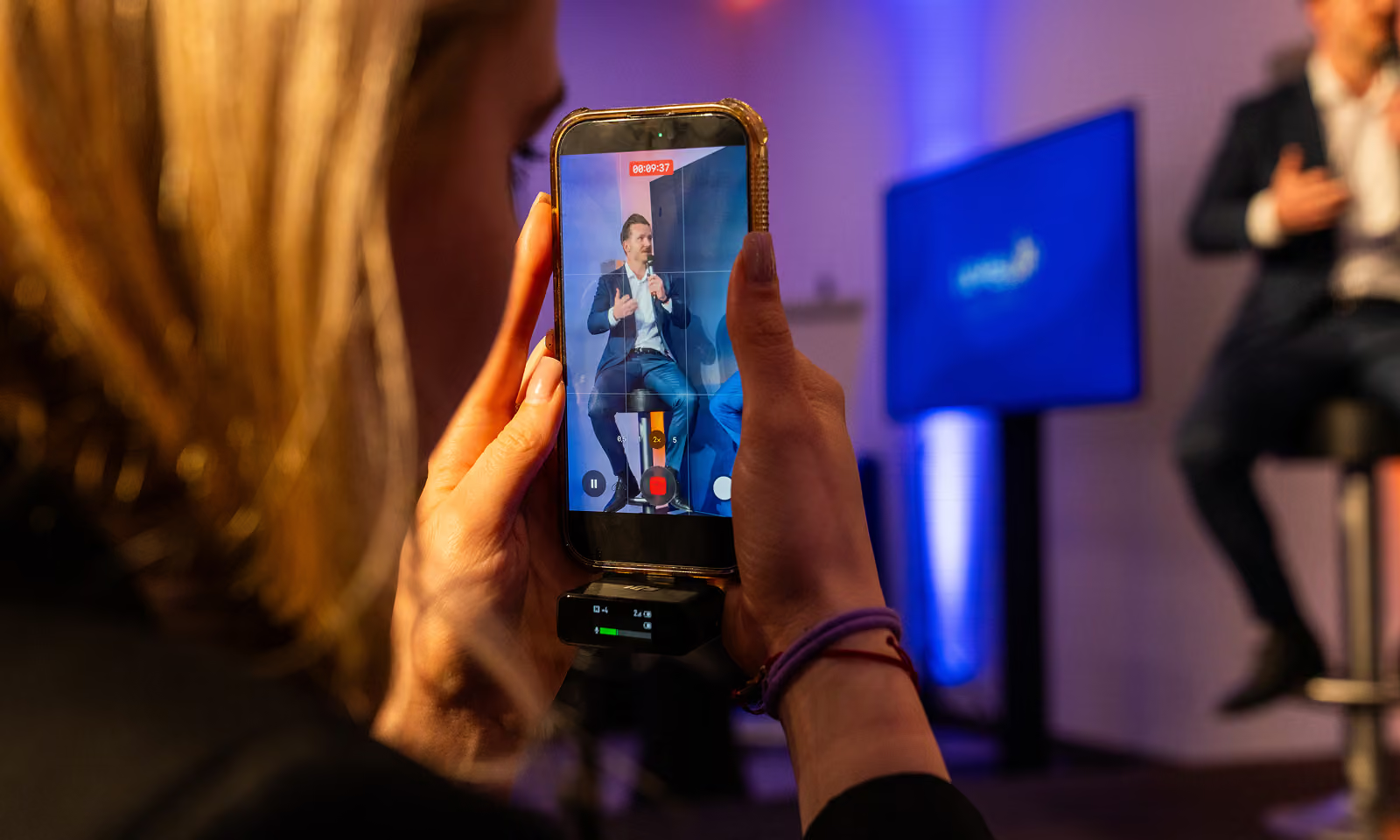
If you take social media seriously for events, you plan content in three phases:
- Before the Event: Hype and Registrations
- During the Event: Real-time Reach and FOMO
- After the Event: Lasting Impact and Compound Effect through Quick Content
The biggest mistake is to only think about content after the event.
What Event Content Really Is
Event content isn't decoration. It's sales.
It must either:
- Generate registrations
- Build trust
- Spark conversations
- Prepare for conversions
- Strengthen engagement
If your content merely shows that you hosted an event, it's interchangeable.
Step 1: Before the Event, Hype Over Invitation
Before the event, it's all about one thing: building anticipation that leads to registration.
Not with an email that feels like a meeting request, but with storytelling that sparks interest and paints a vivid picture in their mind.
Effective Pre-Event Content
- Exclusive Sneak Peeks: What happens behind the scenes?
- Past Participants: What were the tangible benefits?
- Speakers and Guests: Who's attending and why is it relevant?
- Agenda Teaser: What questions will be answered?
- Challenging Statements: What debate will be resolved at the event?
- Memes or Real Talk Posts: Humor, but appropriate for the target audience
Why It Works
The clearer people can imagine the event, the more likely they are to register.
Without a clear mental picture, it remains an abstract promise.
Checklist: Pre-Event Content Plan
- 1 Core Promise in One Sentence
- 3 Teaser Topics that Address Real Problems
- 1 Speaker or Guest as a Headliner
- 2 Attendee Testimonials or Soundbites
- 3 Behind the Scenes Clips
- 1 Provocative Question that Sparks Discussion
- 1 clear call to action for registration
Step 2: During the event, real-time FOMO
An event creates something you'll never experience as intensely online: time pressure.
People see that something is happening right now. And that's precisely the reach booster.
But for that, your event also needs to be shareable.
The hardest part
People only post when they have a reason.
They need:
- visual moments
- clear branding spots
- good lighting
- clear areas for filming
- a location that isn't just functional
If the setup looks like a seminar room from 2009, no one will post.
Specific on-event content that generates reach
- Instant speaker quotes for posts or stories
- short clips from key moments
- short LinkedIn updates: What's happening right now?
- Live polls: Which question should the speaker answer?
- short backstage interviews with speakers
- On-site participant testimonials
- Exhibitor interviews, if it has a trade show feel
- Instagram Live or LinkedIn Live, if the target audience is there
Secret weapon: The reach of your speakers
Many have speakers present without leveraging them as amplifiers.
If your speakers post in real-time, you gain reach while the event is happening, not just afterwards.
Here's how to ensure this:
- Speaker briefing with clear posting expectations
- Speakers receive content material immediately
- Clear hashtags, clear tags, clear links
- A contact person on the content team who delivers immediately
{{callout}}
Step 3: After the event, the compound effect
After the event, it's determined whether it was a one-off experience or if it generates follow-up business.
The most important content is not the aftermovie.
The most important content is the first vertical video that goes live the same evening or by the next morning at the latest.
Why?
Because everyone who attended will share it immediately.
And that way, you reach everyone who wasn't there.
What you need immediately after the event
- 9:16 reel with the strongest moments, not 3 minutes, but 15 to 30 seconds
- Photo package with participants, as quickly as possible
- Extra fast content for influencers, speakers, partners, sponsors
- Thank you posts that show appreciation and strengthen partner relationships
- Short testimonials, even if imperfect, but authentic
- Highlight post: the three strongest key takeaways
- Continue the discussion: What was the highlight, who would you like to see next time?
Common mistake
Material arrives two weeks later.
By then, the emotion is gone, the momentum is lost, and no one shares anymore.
Speed is more important than perfection here.
Practical example from implementation
A client planned a larger event and had budgeted for video, but only for a classic aftermovie.
We shifted the focus:
- an instant reel for the next morning
- a photo package for participants on the same day
- short interview snippets with two speakers
- Quote slides with the most impactful quotes
- a LinkedIn post during the event with a clear call to action for the waitlist
The effect was clear:
- More shares by participants
- More reach through speakers
- More inquiries in the days after the event
The videographer wasn't just a service provider. He was part of the marketing machine.
5 Criteria: When Event Content Truly Works
- There is a clear promiseWhat exactly should the viewer feel or do?
- The content shows benefit, not just atmosphere
Atmosphere is nice. Benefit sells.
- There are quick assets
The initial content must be ready within 24 hours. - They use multipliers
Speakers, partners, sponsors, participants with reach. - They have a post-event plan
Without a plan, it's just an aftermovie.
Concrete Plan: Your Content Flow
T minus 30 to 1 day
- 3 Teaser Clips
- 2 Participant or Speaker Testimonials
- 1 provocative question
- 1 agenda teaser
- 1 behind-the-scenes sequence
- 1 clear registration call to action
Event day
- 10 to 15 short vertical clips
- 3 speaker quotes as slides
- 1 live format or poll
- 1 LinkedIn update with waitlist link
- Content handover to speakers in real-time
Day 1 to 7 after the event
- Instant reel the next morning
- Photo package for attendees
- Thank you posts
- 3 key takeaways post
- Testimonials
- Interview clips
- Follow-up posts with next steps, waitlist, audit, download
Conclusion
If you only start social media for events after the event, you lose 80 percent of the impact.
An event is a rare opportunity to generate a huge amount of content and trust in a short time. If you plan it meticulously, your event won't just be an appointment, but a long-term marketing strategy.
Event Content Plan as a Checklist
If you want to get more than just an aftermovie out of your next event, you need a clear content roadmap.
For this, we'll provide you with a concise event content checklist that you can share directly with your team or videographer.
If you like, just send us:
- Event Type
- Target Audience
- Objectives
- Channels you'll be using
Then you'll receive a clear recommendation on which assets you need to produce on-site and how to generate reach and inquiries from them.
Häufig gestellte Fragen
How much content should you produce at an event?
What's more important, an aftermovie or quick reels?
How do I motivate speakers to post content?
What content works best before the event?
How quickly should photos be available after the event?
Über den Autor

Johanna Klein
Marketing
Johanna is responsible for event marketing, branding and evaluation of projects at KplusA. With over 75 events implemented, it ensures that events not only take place, but also have a visible effect. From the first click on the landing page to on-site branding, it not only makes your brand visible, but also tangible. After a B.Sc. in Textile and Clothing Management and an M.A. in Business Management, she has the right eye for brand management, design and strategic communication. Their mission: to design events as a holistic brand experience — visually, digitally and emotionally.
Weitere interessante Artikel
This is how you build an event agenda that measurably increases revenue and motivation
An event agenda is not a schedule.
It is a sales tool.
If your agenda merely strings together program items, you'll get applause for the catering. But no results.
If your agenda is psychologically structured, you'll get leads, motivation, clarity, or revenue.
So the question is not: Which speakers should we book?
The question is: What thought process should your attendees go through?


Events as a marketing lever: How to deploy the right format at the right stage and measurably increase sales and retention
Many companies organize events too early, too vaguely, or without proper integration into marketing and sales. You know the result: good food, pleasant conversations, no impact.
If you want to use events as a tool, you don't need a new list of ideas. You need a decision: In which phase of customer acquisition or retention should the event have an impact, and which format precisely contributes to that goal.
This article provides you with a clear model that allows you to decide in 15 minutes whether an event is currently worthwhile, which format fits, and which mistakes you need to avoid.


The Campfire Matrix: How to design events that are memorable and drive more conversions
Many events end up feeling the same. You were there. You ate. You shook a few hands. And two weeks later, no one remembers what it was about.
If you truly want your event to make an impact, you don't need a bigger budget. You need a system that prevents your event from falling apart conceptually.
The Campfire Matrix is exactly that system. It ensures that your event isn't just pleasant, but creates memories and delivers results.